A Game of Thrones superfan's day in Split: what we found
We went looking for Meereen
One of us is embarrassingly deep into Westeros lore. The kind of person who tracked down every filming location in the first six seasons. The kind of person who, landing at Split airport, thought primarily about getting to Klis Fortress before thinking about accommodation or food.
So when we spent four days in Split, we structured one of them entirely around the Game of Thrones locations. Here’s what we actually found — which differs somewhat from what the promotional materials suggest, and which requires a few honest calibrations for fellow fans.
| Core sites | Klis Fortress, Diocletian’s cellars, the Peristyle |
| Klis entry | €12 for adults, bus line 22 or a short taxi |
| Cellars entry | see the current tariff on the official site of the Split City Museum (mgst.net) |
| GoT museum | see the current tariff on the museum’s site, optional for completists |
| Full day cost | see current tariffs, excluding tours |
Klis Fortress: the real Meereen
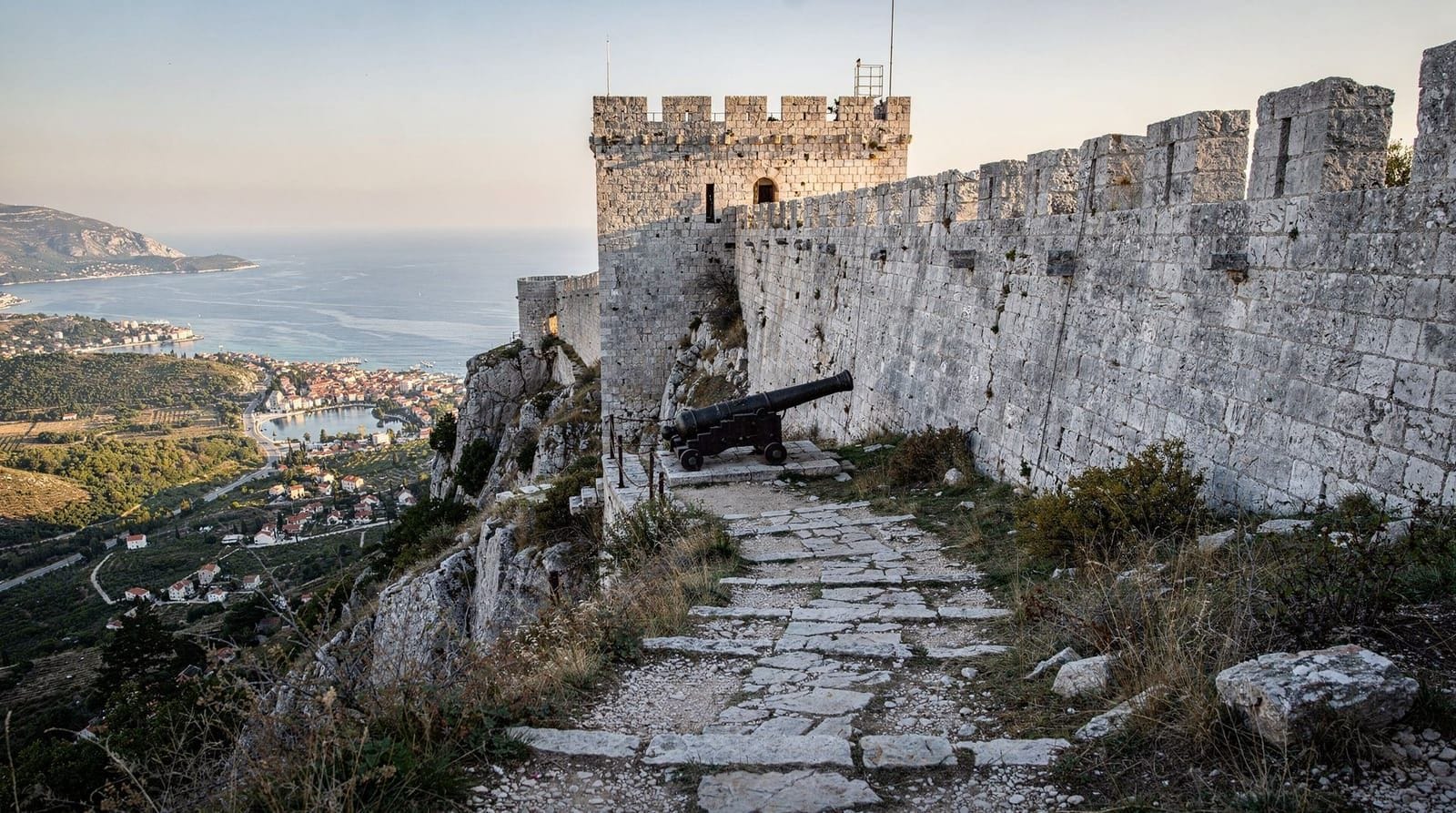
Klis is the centerpiece of any GoT pilgrimage in the Split region, and rightly so. The fortress — a long, imposing Venetian-era stronghold built on a narrow ridge of limestone above a mountain pass — stood in for the pyramid city of Meereen in seasons five and six. The production redesigned the exterior slightly with set dressing, but the basic geometry of the place — the elevated position, the vertiginous walls, the sheer improbability of its construction — is unchanged.
Klis sits about 12 km northeast of Split, in the mountain pass between the coastal plain and the Dalmatian hinterland. It’s accessible by bus (line 22 from Split’s bus station) or a short taxi ride. Entry is €12 for adults. The views from the upper ramparts are extraordinary — you can see Split below, the islands beyond, and on a clear day, the shadow of Brač on the Adriatic.
The Klis Fortress guide has the full historical context — and the history is genuinely compelling even before you overlay the show’s mythology. The fortress changed hands between Croats, Ottomans, and Venetians for centuries. The Uskok warriors who held it against repeated Ottoman sieges make the story of Meereen’s liberation look mild.
What GoT fans should know: the fortress doesn’t maintain any permanent show-related installations. There’s no official GoT museum on site. The guides who work there will point out the specific parapets and staircases that featured in filming if you ask, and the GoT walking tour context helps enormously with identifying scenes. But it’s a history site first, a filming location second. This is actually the right balance.
Book a combined GoT tour (palace + Klis) from SplitDiocletian’s Palace: the cellars as slave pens
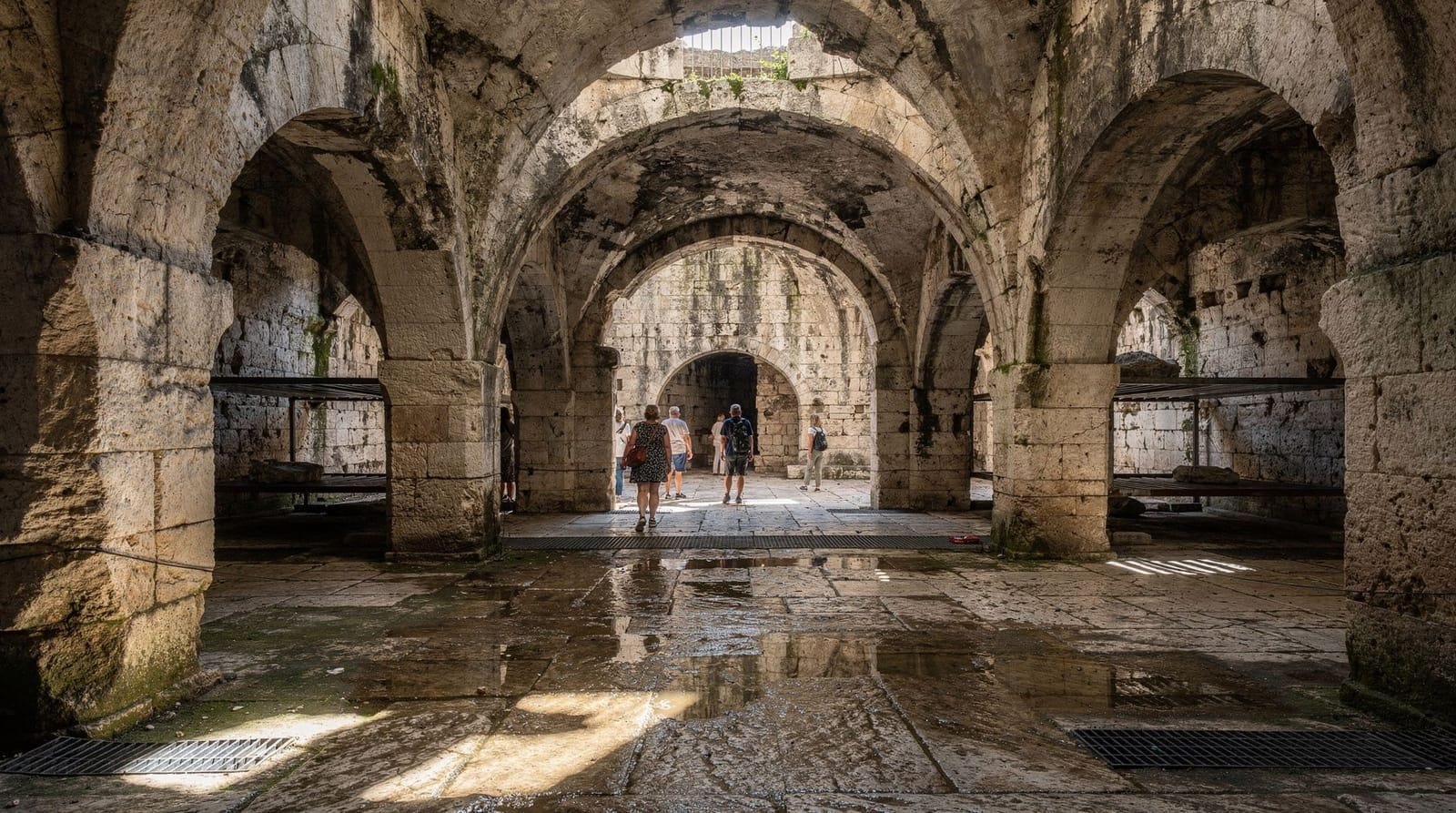
The basement halls of Diocletian’s Palace — technically the sub-structure that supported the emperor’s living quarters — appear in the show as the slave pens of Meereen. They’re good for this use in both directions: they genuinely look like where you’d keep prisoners, and the atmospheric lighting of the halls makes for dramatic television.
In real life, you access the cellars from the Golden Gate side of the palace, pay a modest entrance fee (see the current tariff on the official site of the Split City Museum, mgst.net), and wander through stone vaults that were used as a rubbish dump for centuries before being excavated in the 1950s. They’re genuinely atmospheric. The scale is larger than television suggests — these halls run nearly the full footprint of the palace above.
The GoT connection is visible enough without a guide, but a guided tour contextualizes the actual Roman use of the space (storage, drainage systems, the palace’s mechanical underbelly) while also nodding to the show. Several local companies run the cellar component alongside broader palace tours.
Beyond the GoT angle, the cellars offer a different experience than the sunlit peristyle above — cooler, darker, stranger. For the broader Diocletian’s Palace guide, we cover the palace as a whole.
The cathedral and the Peristyle
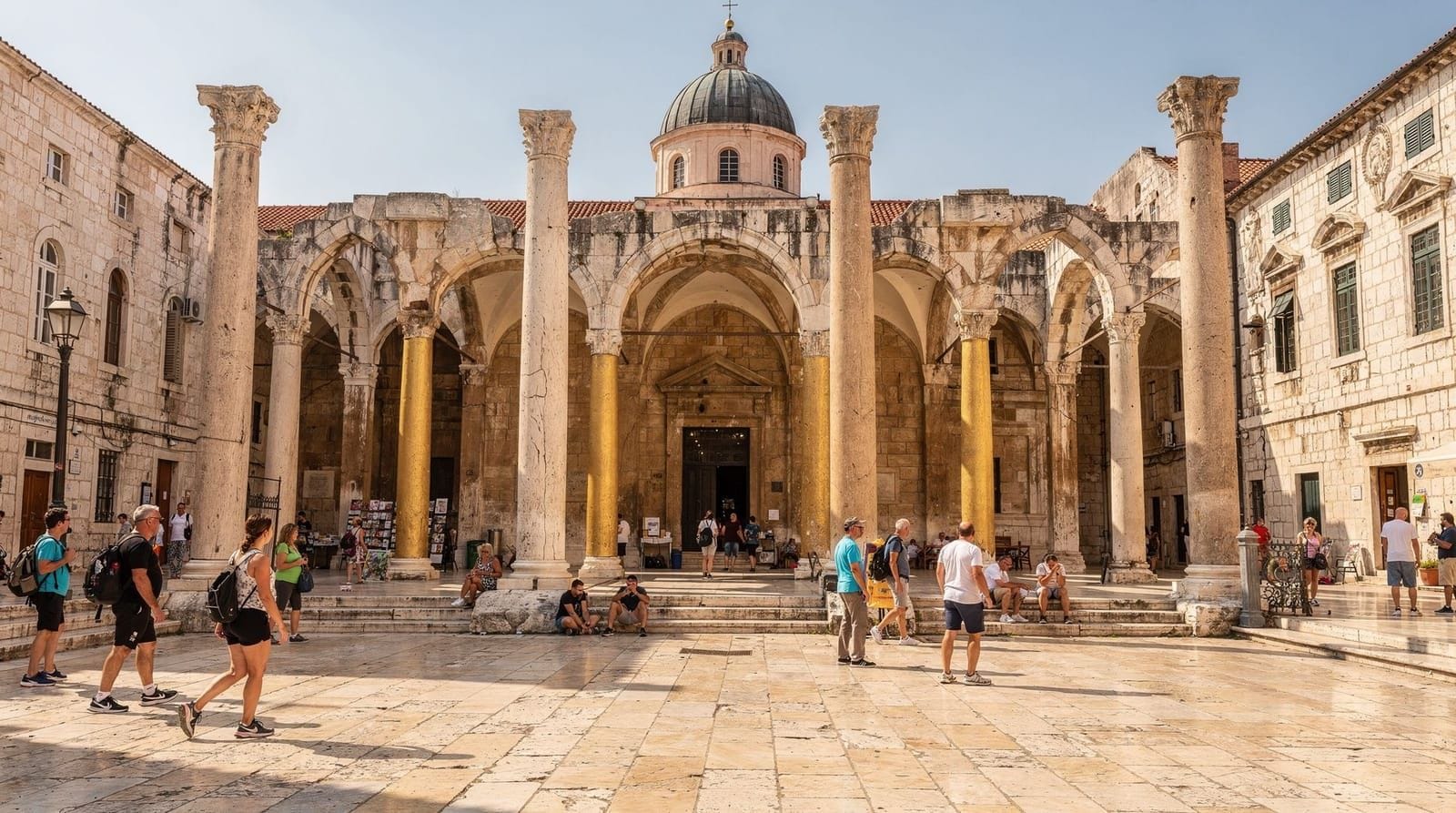
The Cathedral of Saint Domnius was originally Diocletian’s mausoleum — the emperor who persecuted Christians is buried in what became a Christian church, which is a historical irony the tour guides relish. It doesn’t feature directly in Game of Thrones, but the Peristyle in front of it — the colonnaded courtyard at the palace’s heart — appears in a handful of scenes as general Roman-world atmosphere.
More than the filming connection, the Peristyle is worth understanding as architecture. It’s genuinely unusual to stand in a functioning square that was designed in the third century A.D. The Vestibule dome above it is open to the sky. The proportions are impeccable. See our Cathedral of St Domnius guide for more on what you’re looking at.
The GoT museum: optional, but completist
The Game of Thrones museum in Split operates near the palace, off the Peristyle. It’s a privately run fan operation with props, costumes, and exhibit panels. See the current tariff on the museum’s site. If you’ve seen the show twice through, it’s enjoyable. If you’ve seen it once and want context for the Split locations specifically, it’s probably worth skipping in favour of time at Klis.
Game of Thrones museum Split entrance ticketDIY versus a guided GoT tour
We’ve done this day both ways across separate trips — self-guided with a filming-location map, and with a paid local guide — and the honest comparison looks like this:
| Self-guided | Guided tour | |
|---|---|---|
| Cost | Just entry fees, see current tariffs for palace + Klis | Higher, but usually includes both plus transport |
| Context | Depends on what you read beforehand | Guide identifies exact filming spots and Roman history together |
| Pace | Fully your own | Fixed, but efficient — no wasted transit time |
| Best for | Fans who’ve already done deep research | First-time visitors or anyone short on a full day |
Neither is wrong. The dedicated superfan among us actually preferred the guided cellar walk specifically — a good guide layers the Roman use of the space with the show’s production choices in a way that’s hard to replicate from a map alone — but handled Klis independently, since the fortress itself needs no interpretation beyond what’s already on the information panels.
Planning the full GoT day
The most efficient route for a GoT-focused day looks like this:
7:30 a.m. — Peristyle and cellars. Beat the cruise ship crowd. The morning light through the Vestibule opening is striking.
10:00 a.m. — Bus or taxi to Klis. Spend 2–3 hours at the fortress. The morning is better than the afternoon in summer because the stone ramparts heat up significantly by midday.
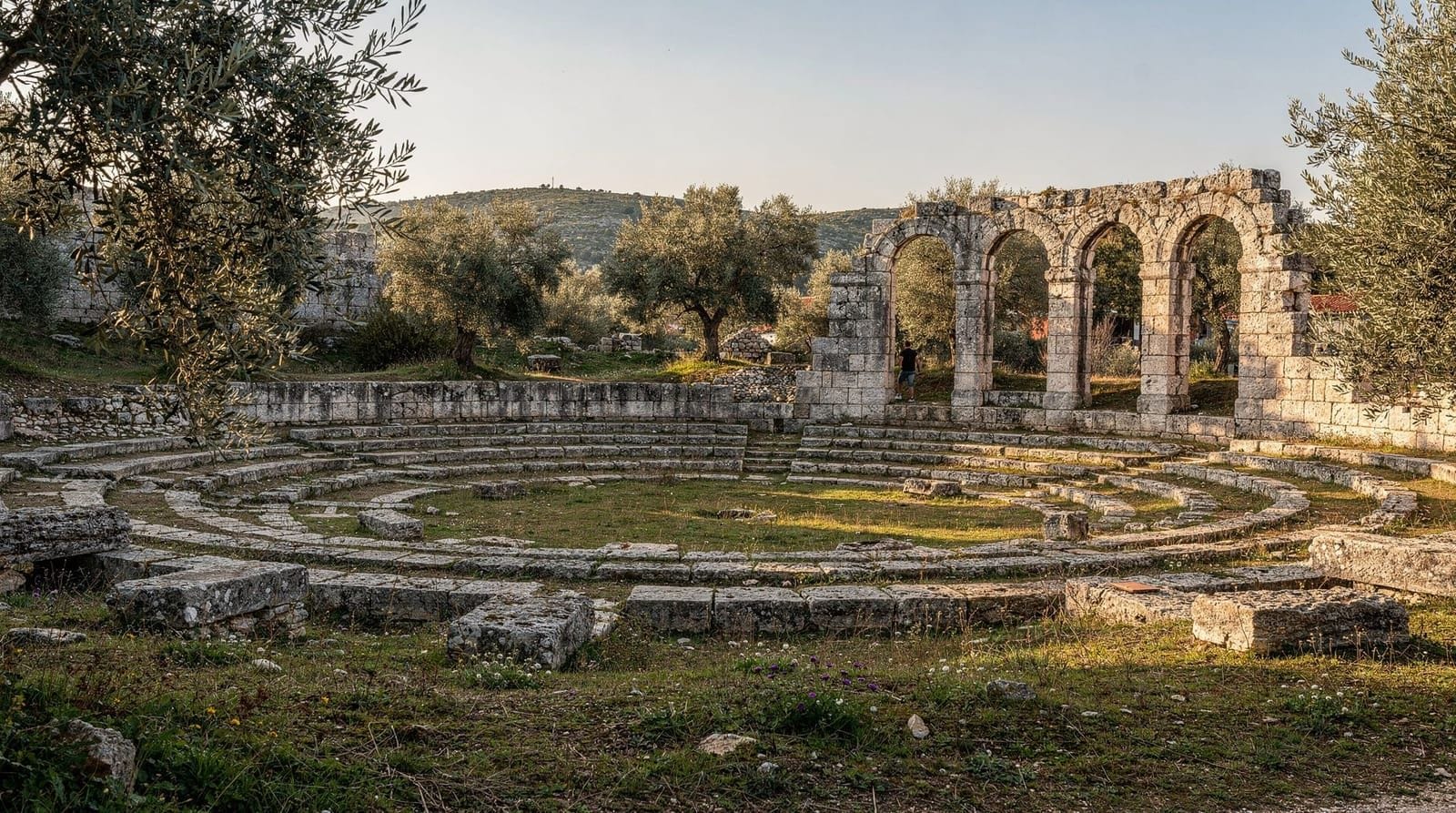
1:00 p.m. — Return to Split via the Salona ruins en route if you have a car. Roman Salona predates Diocletian’s Palace and is one of the least-visited Roman sites in Croatia given its quality. See our Roman Salona guide.
3:00–5:00 p.m. — Free afternoon. Walk the old town at your own pace with filming location maps. Several free apps and Google Maps overlays have been made by fans that mark every confirmed Split location.
For the combined experience with a local guide who knows both the history and the show’s production background, the combined GoT palace tour is worth the cost — particularly for the cellar walk, where context transforms what could be just a nice old basement into something considerably more layered.
Is it enough for the dedicated superfan?
For GoT in Split specifically: yes, and more honestly than most filming-location tourism promises. The locations were genuinely used heavily, the settings are architecturally extraordinary in their own right, and the historical context makes the whole day richer rather than just a souvenir hunt.
Dubrovnik has more GoT footage — it’s King’s Landing, after all — but Split has the better history supporting the locations. Klis is worth the trip for the fortress alone. That the show chose it to stand in for Meereen is a coincidence of geography and visual logic that happens to benefit travelers.
The Dubrovnik day trip from Split is feasible as a follow-up if you want to complete the pilgrimage, but it’s a long day — three hours each way — and Dubrovnik crowds rival or exceed Split’s. We’d give Dubrovnik its own overnight rather than squeezing it into a day trip if GoT locations are the focus.
For the standalone Klis Fortress history guide and a combined history day covering Salona and Klis, see our Salona–Klis–Trogir day.