Hidden beaches we found in Dalmatia — and how to reach them
The problem with the famous ones
Zlatni Rat on Brač is magnificent and also has four hundred sunbeds by 11 a.m. in summer. The beaches of Hvar town are excellent and also require arriving by 9 a.m. to claim a reasonable position. Bačvice in Split — fine, accessible, historic — is better described as an urban beach than anything remotely remote.
None of this makes these beaches bad. But it does mean that anyone wanting to swim in something that feels like a discovery rather than a shared event needs to put in a little more work.
We’ve accumulated a list of less-visited beaches over three trips. Some of these are genuinely unknown to international tourists. Some are known to locals but not heavily promoted. A few are hard enough to reach that the effort itself is part of the experience.
| Easiest to reach | Kasjuni, 20-min hike or short taxi from Split |
| Best by boat | Zdrilca (Marinkovac), Pakleni Islands |
| Best by ferry + walk | Unnamed coves, Šolta (about 50-min ferry) |
| Hardest / most rewarding | Stiniva Bay, Vis — sea access only |
| Golden rule | Arrive before 9–10 a.m. in July–August |
Stiniva Bay, Vis
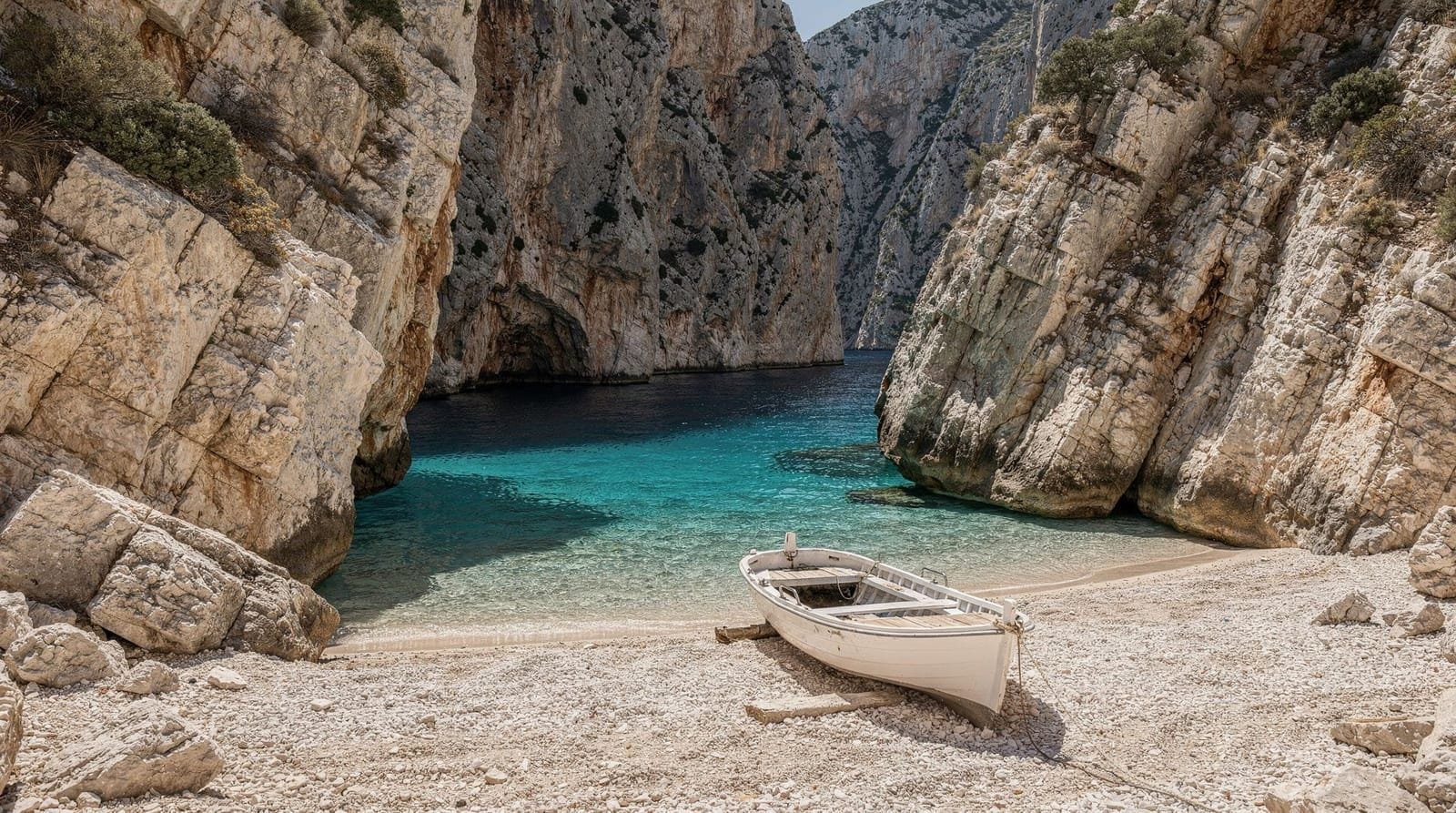
Stiniva is on every list these days and has stopped being secret, but it remains genuinely different from anything else in Dalmatia: a pebble beach at the base of a limestone bowl, accessed through a narrow gap in 200-metre cliffs, reachable only by sea.
In peak summer (mid-July to mid-August), Stiniva has become a destination for organised boat tours, and the “hidden” quality diminishes accordingly. In September it’s a different experience. We arrived by local boat at 8:30 a.m. on a Tuesday and had the beach to ourselves for thirty minutes before two other boats appeared. The limestone walls make the light inside the bay strange and concentrated. The water is cold and incredibly clear.
Getting there independently: take the Jadrolinija ferry to Vis (2–3 hours from Split), then book a local boat excursion from Vis town harbour. Ask for a small boat rather than a large tour vessel — several fishermen offer morning trips to Stiniva for €15–25 per person. Our Vis island guide has more detail on access.
The unnamed coves of Šolta
Šolta is the island Dalmatians escape to when everywhere else is too crowded. It’s close to Split (regular Jadrolinija ferry, about 50 minutes), substantially quieter than Hvar or Brač, and dotted with small villages surrounded by olive groves.
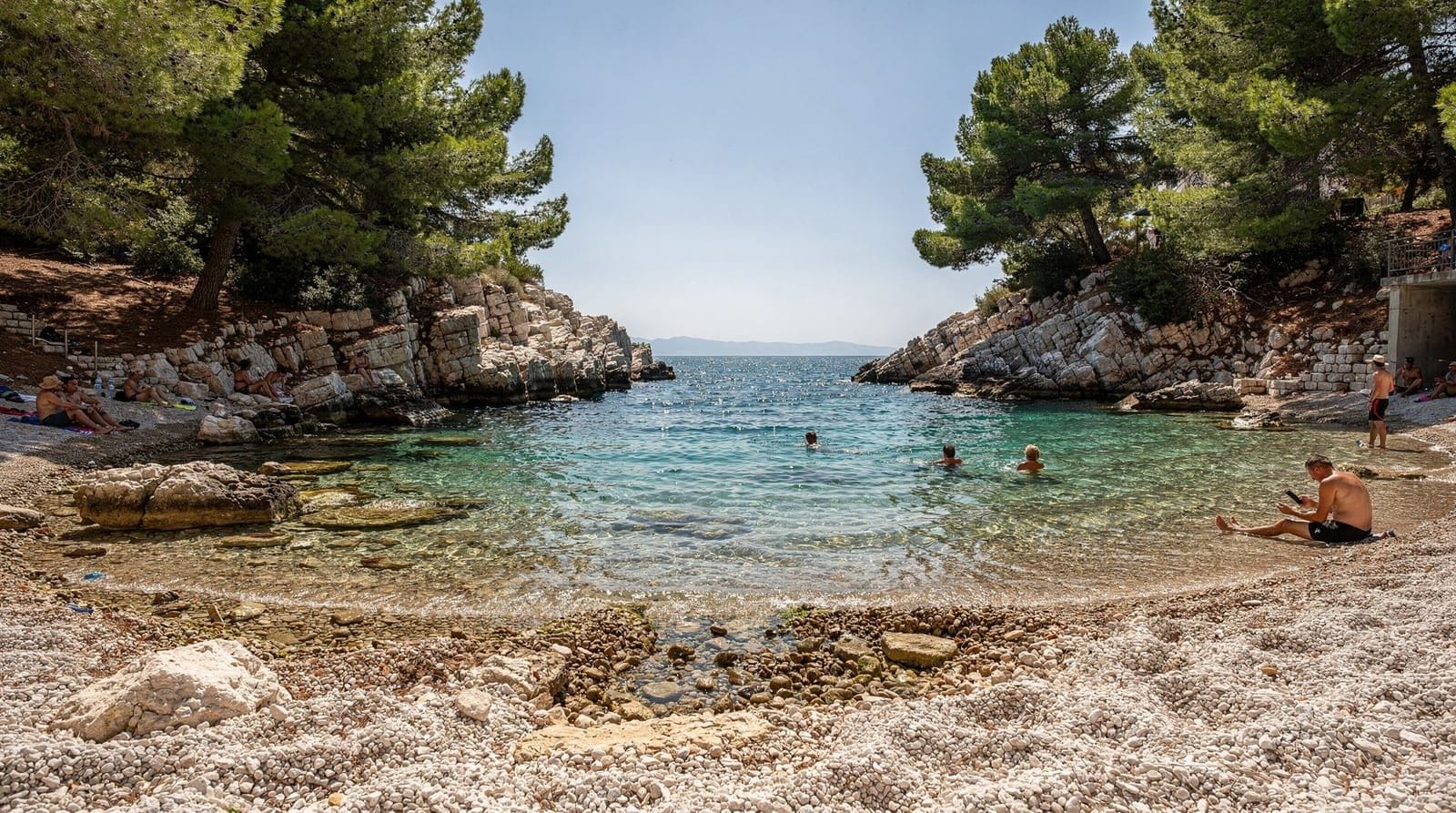
The island’s south coast has several coves that have no official names, only local nicknames. The best of what we found was reached by walking along the olive grove paths east of the village of Stomorska. It’s about a 25-minute walk from the village over a low ridge, through pines that smell like a pharmacy, and down a rough path to a ten-metre-wide pebble cove that we found empty every time we visited in September.
There’s no infrastructure at this cove — no sunbeds, no café, no path marker. Bring water and something to lie on. The swimming is excellent.
Getting to Šolta: the car ferry from Split to Rogač (Šolta) departs multiple times daily, about 50 minutes. From Rogač, local buses and taxis connect to the main villages.
Kasjuni Beach, Marjan Hill
Technically within Split city, Kasjuni is on the southwest face of Marjan Hill and requires either a 20-minute hike over the hill or a taxi to the road access point at the hill’s base. It faces open sea rather than the sheltered harbour, which means cleaner water and occasional gentle swell that makes it feel more like the open Adriatic.
In the morning on a weekday, Kasjuni has a proper beach feel — pine trees to the water’s edge, lounger rental available for around €8–10, a small café for coffee. By afternoon in peak summer it fills; it’s not secret, exactly, but it’s the kind of local beach that visitors often miss because it requires the extra walking. Combine it with a morning hike over Marjan as described in our Marjan Hill guide and you have a full morning plan.
The Pakleni Islands: beyond the first bay
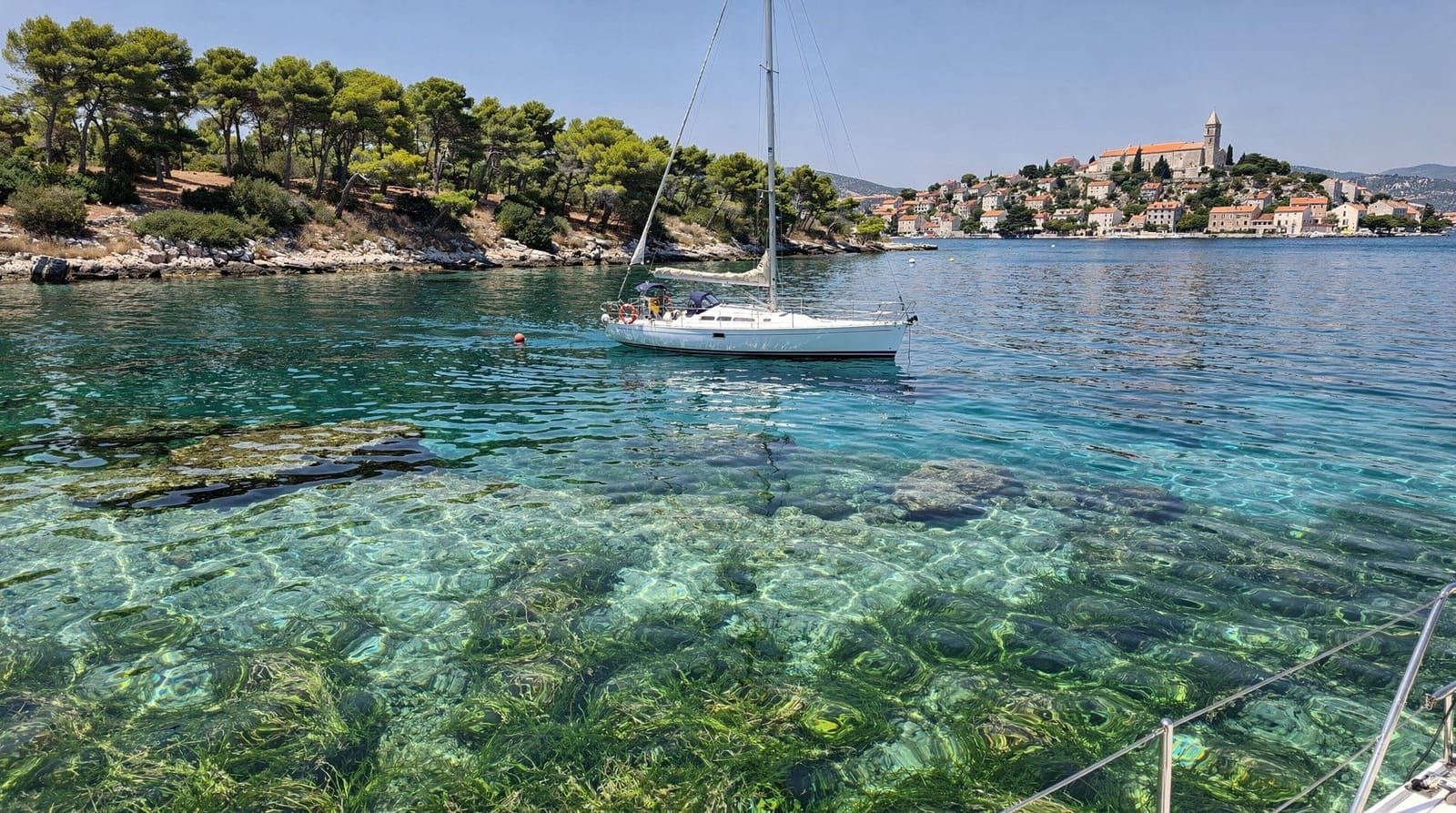
The Pakleni Islands (Paklinski otoci) form a scattered archipelago off the western tip of Hvar. Most boat tours stop at Palmižana — the main bay with restaurants and a sandy beach — but the chain extends further west through smaller islands with progressively fewer visitors.
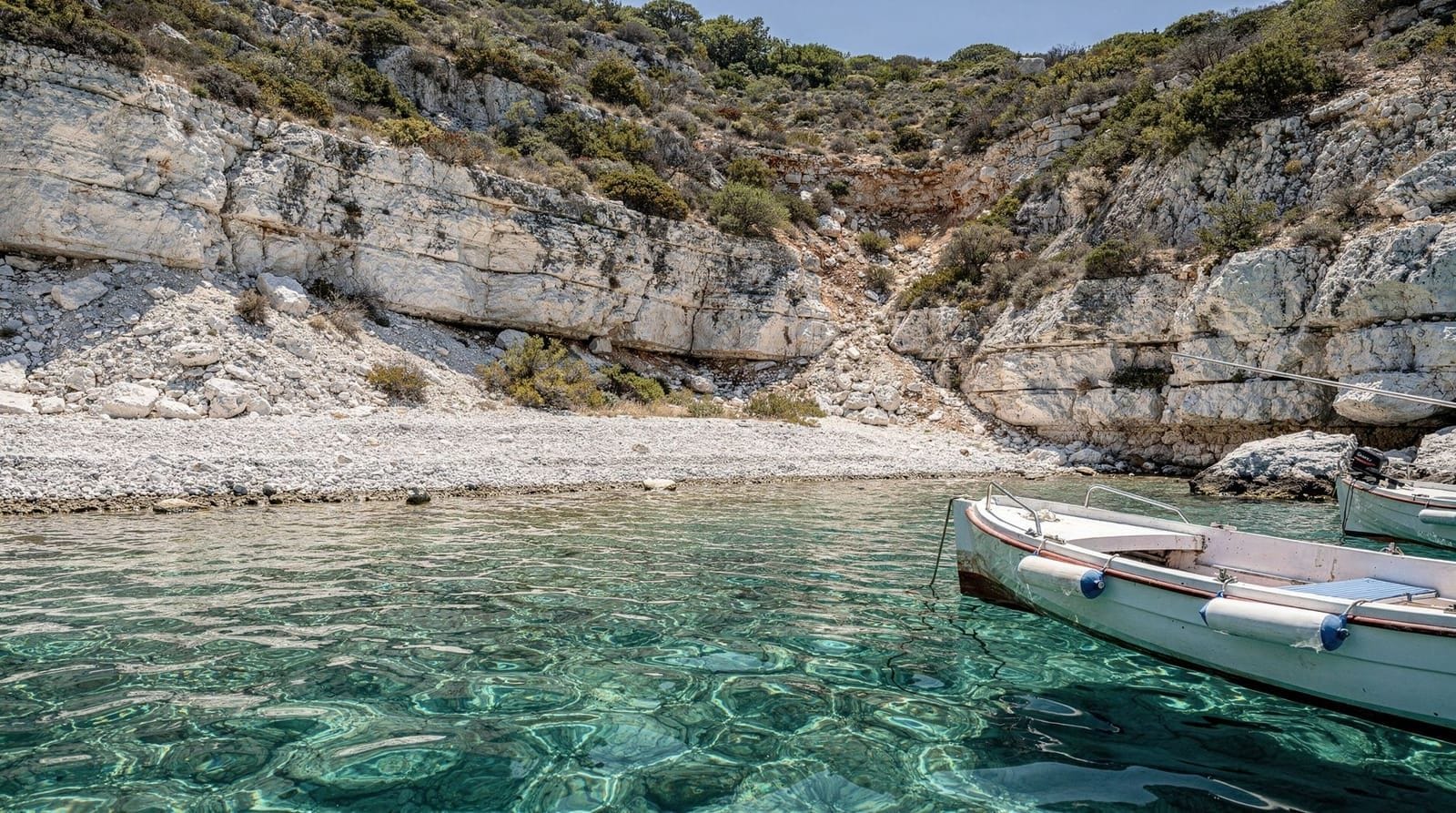
The island of Marinkovac, accessible from Hvar by water taxi (€5 each way, 10 minutes), has a beach called Zdrilca on its southern coast that requires a 15-minute walk from the landing point. We found a rocky cove with clear water, no infrastructure, and no other tourists on two separate visits. The walk isn’t marked — follow the path over the low hill from the landing point and descend toward the sound of the sea.
Water taxis from Hvar town run frequently in summer and can drop you at various points in the Pakleni chain. Tell the taxi driver specifically where you want to go. For the Pakleni in more detail, our Pakleni Islands guide covers the main spots.
Dubovica Beach, Hvar
On the eastern coast of Hvar, 7 km from Hvar town (accessible by water taxi or a 90-minute walk along the coast road), Dubovica is a pebble cove backed by an old stone house and olive trees. In July and August it appears on enough travel posts that it gets crowded by mid-morning. In September and May it’s genuinely peaceful.
The specific advantage: the walk there from Hvar town follows the coastal road with intermittent sea views and passes a handful of small coves accessible by scrambling down from the road. Most people who drive to Dubovica miss these interim spots entirely.
Cove-hopping by kayak or private boat
If you’d rather cover several of these in a single morning than commit to one, a sea kayak or a small private boat is genuinely the most efficient way to do it. The stretch of coast around Split and the near islands has enough small, unnamed coves that you can paddle from one to the next, stopping wherever the water looks good, without the fixed schedule of a group tour.
Split sea kayaking and cliff-jumping tour with sunset finishWe’d recommend this specifically for travelers who’ve already ticked off Stiniva or the main Pakleni bay and want the version of Dalmatia that doesn’t show up on the standard boat tour itinerary. It’s more physical than a beach day, but the payoff — a cove entirely to yourself between two paddle strokes — is hard to get any other way.
If paddling isn’t for you, the same logic works with an engine. Hiring a private boat with an itinerary you shape yourself lets you ask the skipper to skip the busy bays and stop wherever the water looks inviting. Our boat rental guide explains how the options compare, and the sea kayaking guide covers what to expect on the water if you’d rather paddle.
Whichever way you go, the principle stays the same: let the sea do the access work, and keep the plan loose enough to change your mind when a cove looks better than the one you aimed for. Our best swimming spots guide is a useful companion for judging water quality and entry points before you commit.
The honest caveat
Most Dalmatian “hidden beaches” cease to be hidden by about 11 a.m. in summer. The best strategy for finding the uncrowded version of a beautiful cove is always the same: go earlier than you think is reasonable. A 7:30 a.m. hike to a beach that becomes busy by 10 a.m. gives you two and a half hours of exactly what people come here for. This applies especially in July and August.
For beaches that remain uncrowded by nature of being harder to reach — requiring a longer boat journey or a real hike — our hidden island coves guide covers the ones worth the extra effort.
For more accessible beaches around Split specifically, our best beaches near Split guide has the options ranked by accessibility, crowd levels, and water quality.
Fitting these coves into a trip
None of these places needs a whole holiday built around it. Kasjuni slots into a first morning, Šolta makes a relaxed island day, and the Pakleni and Vis coves deserve their own day each. If you’re still deciding how to arrange them, the island-hopping itinerary shows one way to string the islands together, and our guide to escaping the crowds in Split explains the timing habits that make every beach quieter. For choosing between the islands themselves, see which Dalmatian island suits you.
September and May make every beach on this list better. For the case for shoulder-season travel, see why September is the best month to visit Split.