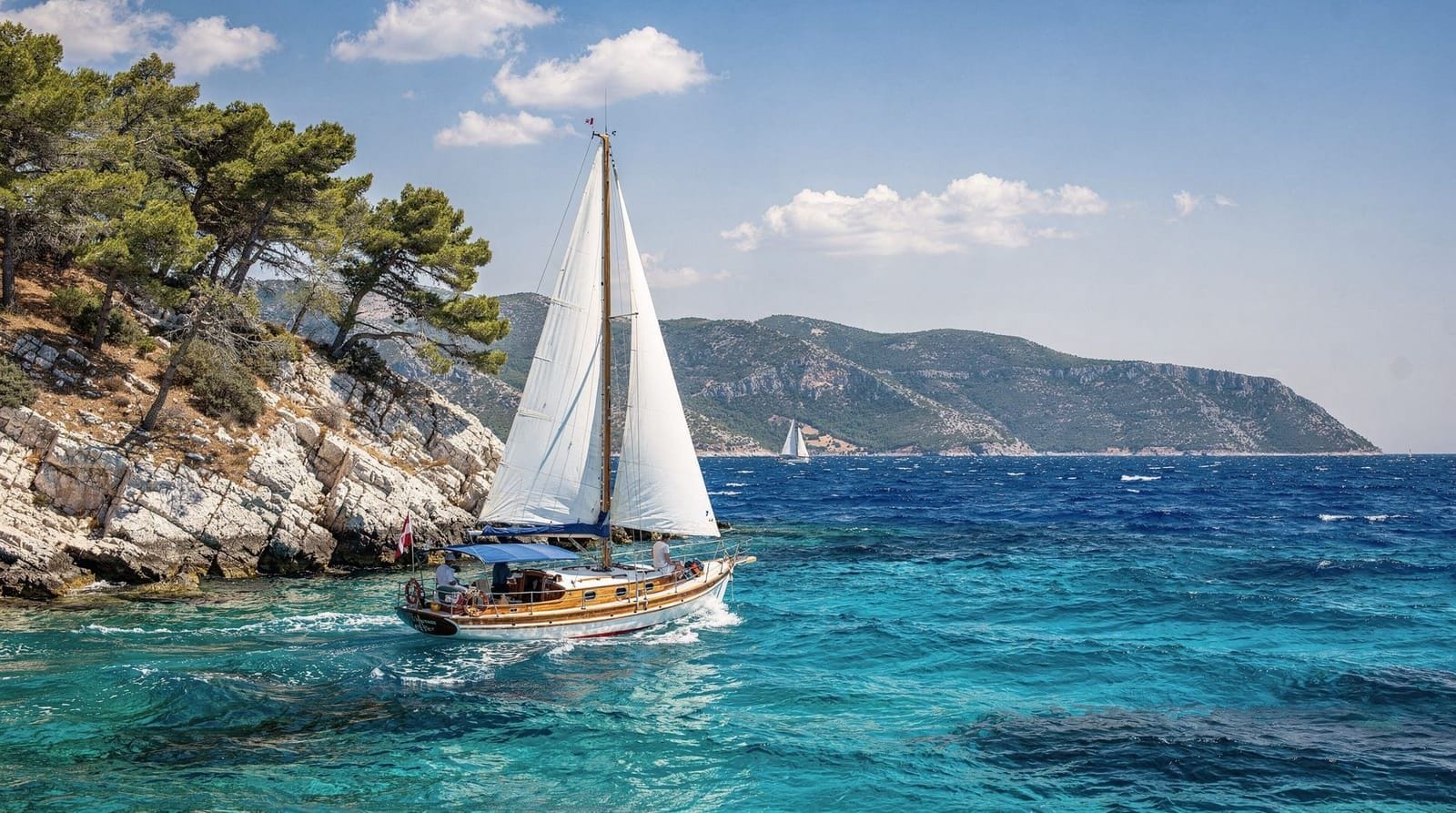
Island-hopping diary: five days in Dalmatia
Day zero: the planning mistake we almost made
We almost didn’t pre-book the accommodation on Vis. It’s the smallest, farthest, and least-visited of the three main islands we were planning to hit, and we assumed that a Tuesday night in early September would be easily sorted on arrival.
A local we spoke to at Split’s Green Market corrected us without being asked. “Vis has forty rooms,” she said, which is an exaggeration, but not as big a one as we’d hoped. The island has been quietly popular with people who know Dalmatia well since it reopened to foreign visitors in the 1990s (it was a Yugoslav military base for decades). Book everything in advance, regardless of season.
That lesson shaped the rest of the trip. Here’s the diary.
| Route | Split → Hvar → Brač (Bol) → Split → Vis → Split |
| Length | 5 days, 4 nights on islands |
| Ferry cost total | around €55–65 per person for all legs |
| Season | early September |
| Book ahead | accommodation on Vis, especially |
Day one: Split to Hvar
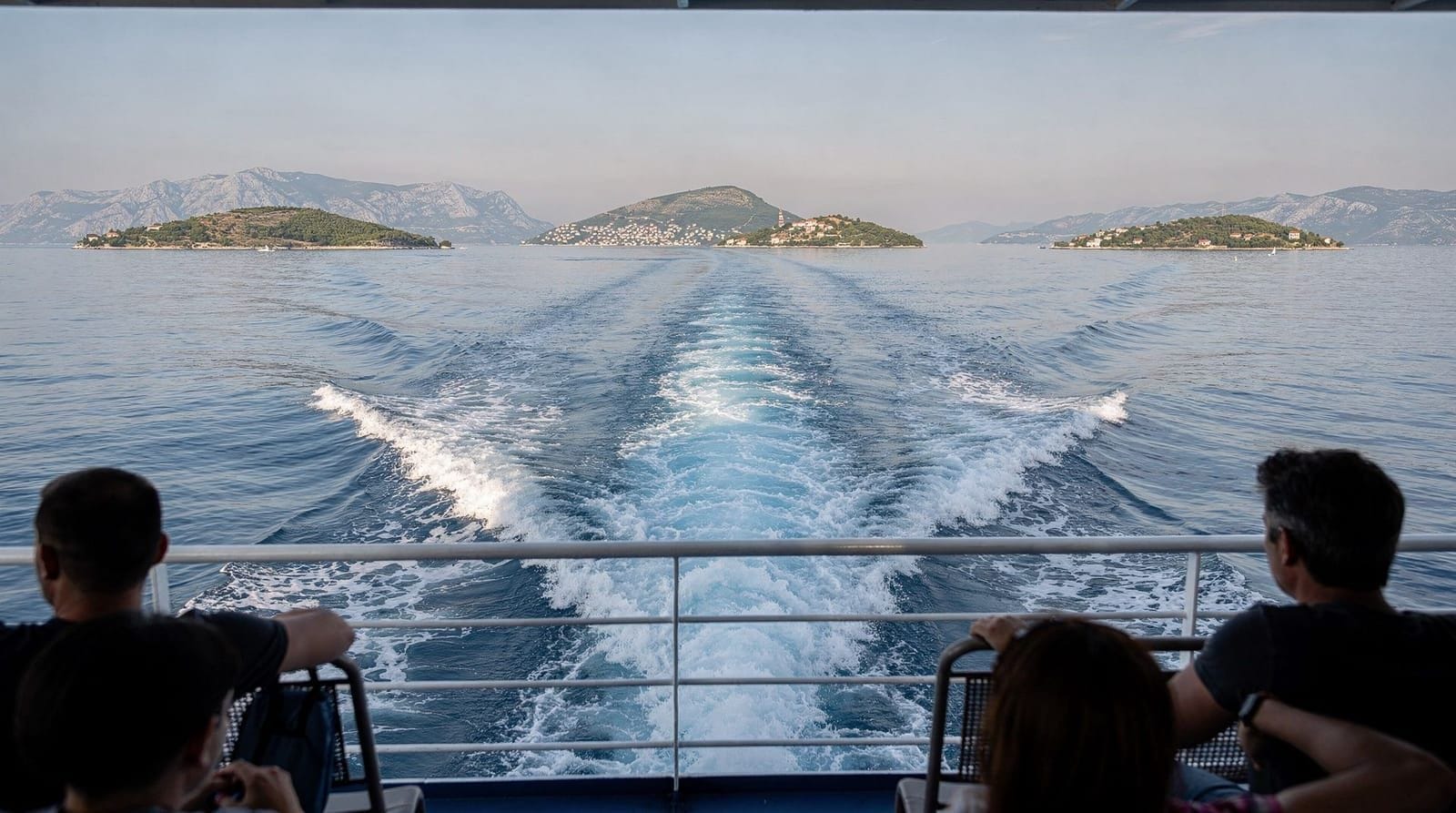
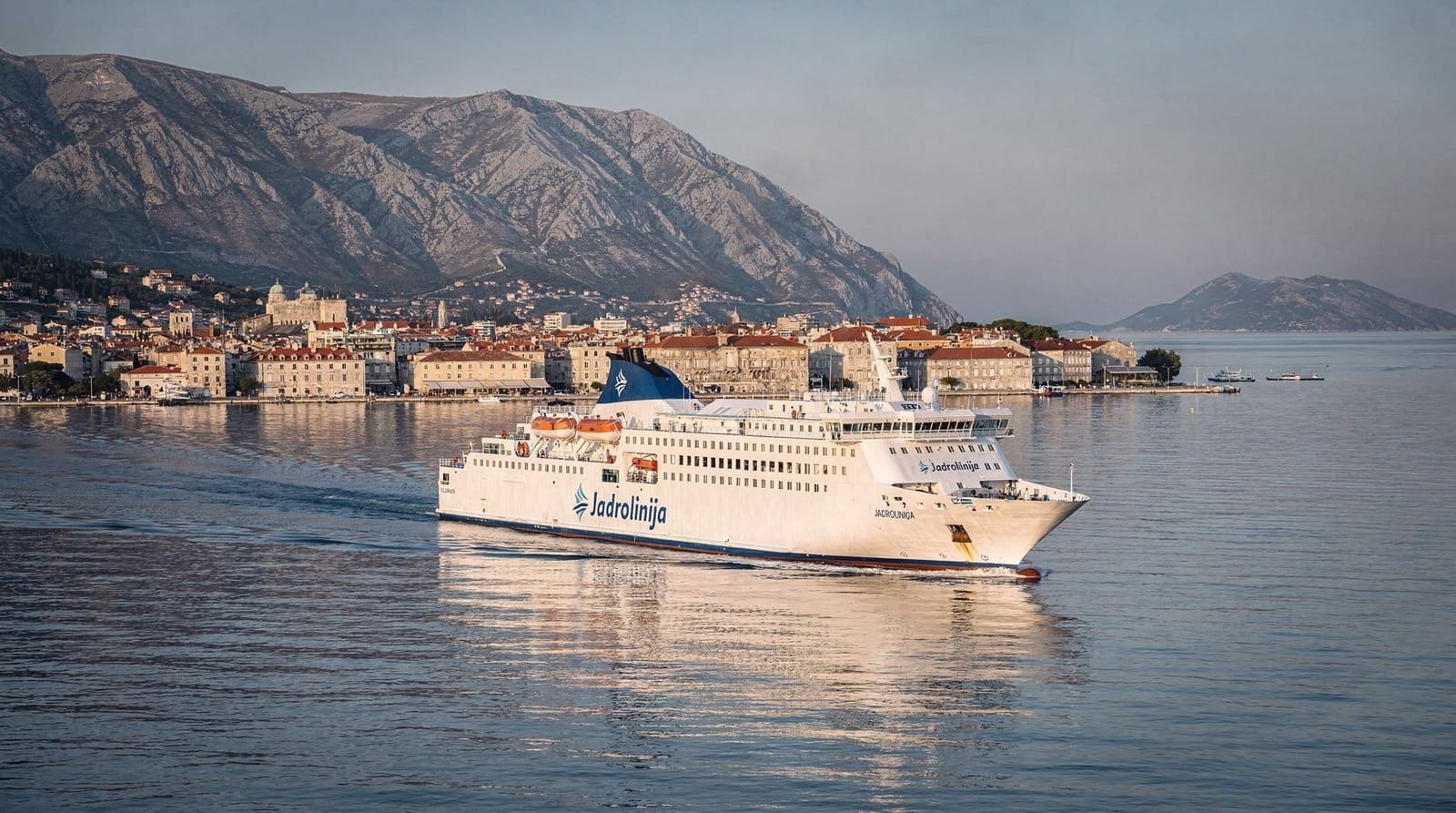
We took the Jadrolinija catamaran from Split to Hvar town, departing at 10 a.m. Journey time: about an hour. Ticket cost: €9 per person, one-way. The catamaran doesn’t take cars; if you’re bringing a vehicle, there’s a separate car ferry to Stari Grad on Hvar that takes about two hours and departs from Split’s Trajektna luka (ferry terminal).
We had no car for this trip. In retrospect, this was the right call for island-hopping — cars complicate ferry logistics significantly, and every port on the route is walkable from where the ferry docks. For information on ferries and catamarans to the islands, we have a full breakdown of schedules and what to book in advance.
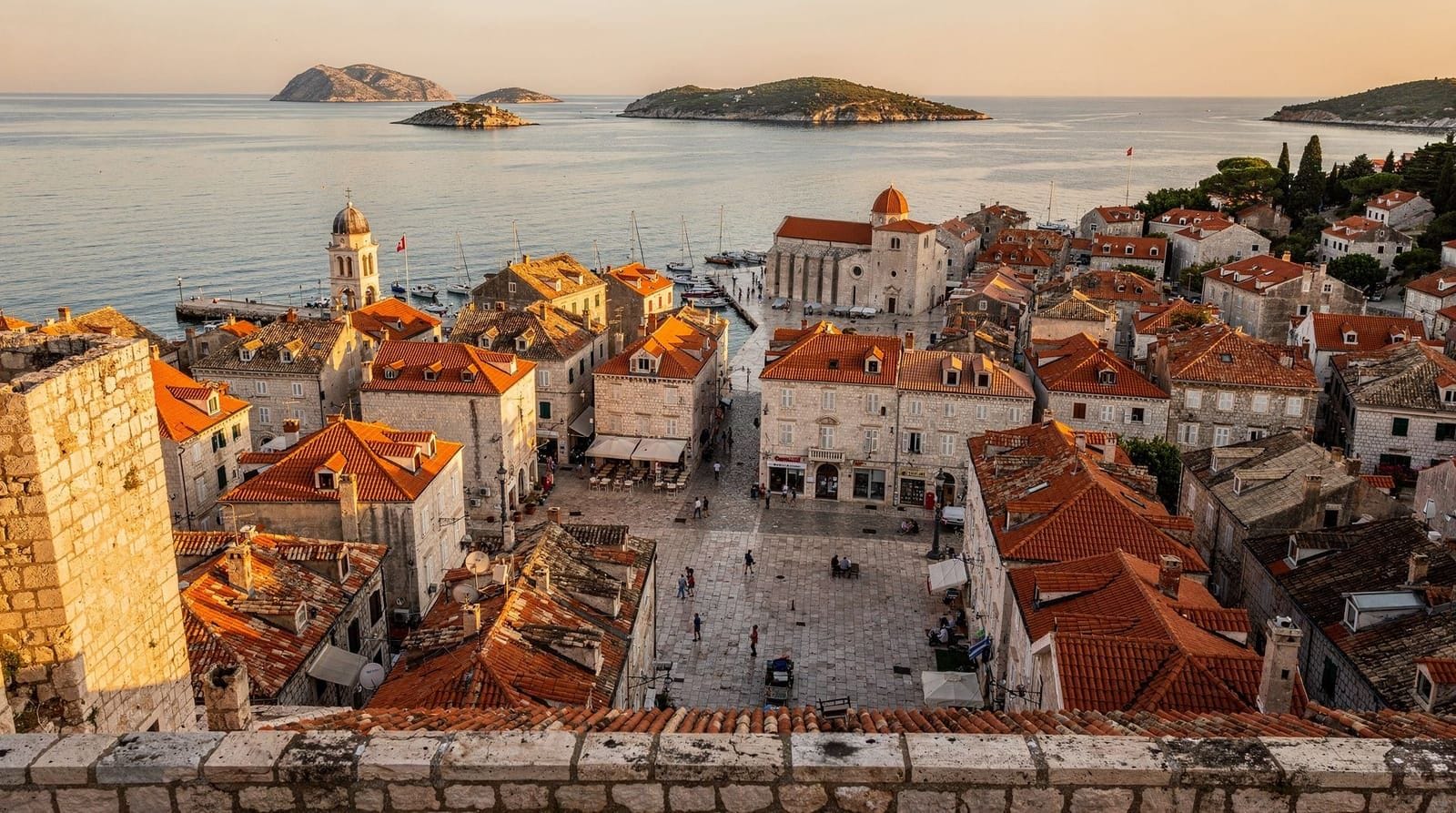
Hvar town in early September was busy but not overwhelming — the difference from August was palpable, roughly half the foot traffic on the promenade, and several restaurants we walked past had tables available without a reservation. We ate lunch at a konoba in the backstreets above the harbour (pasta with fresh clams, €13) and then climbed to Fortica fortress (€10 entry) in the late afternoon. The view from the top over the Pakleni Islands archipelago is, genuinely, one of the best things in Dalmatia.
We stayed at a small apartment above the main square, booked a week in advance, €70/night. The landlady told us August rates had been €120 for the same room.
The Hvar island guide covers everything else about the island including the lavender fields, the wine trail, and the nightlife situation (which, in September, is low-key but still alive).
If your time on Hvar is short, the offshore side of the island is worth knowing about too: the Pakleni Islands sit just across the water from the harbour, and our Pakleni Islands sailing guide explains how to get out there for a swim without turning it into a full tour. For a wider look at the town itself, see the Hvar destination page.
Day two: Hvar to Brač (via Bol)
The connection from Hvar to Brač is made by catamaran from Hvar town to Bol, the small beach village on Brač’s south coast famous for Zlatni Rat. Journey time: about 45 minutes. €9 per person.
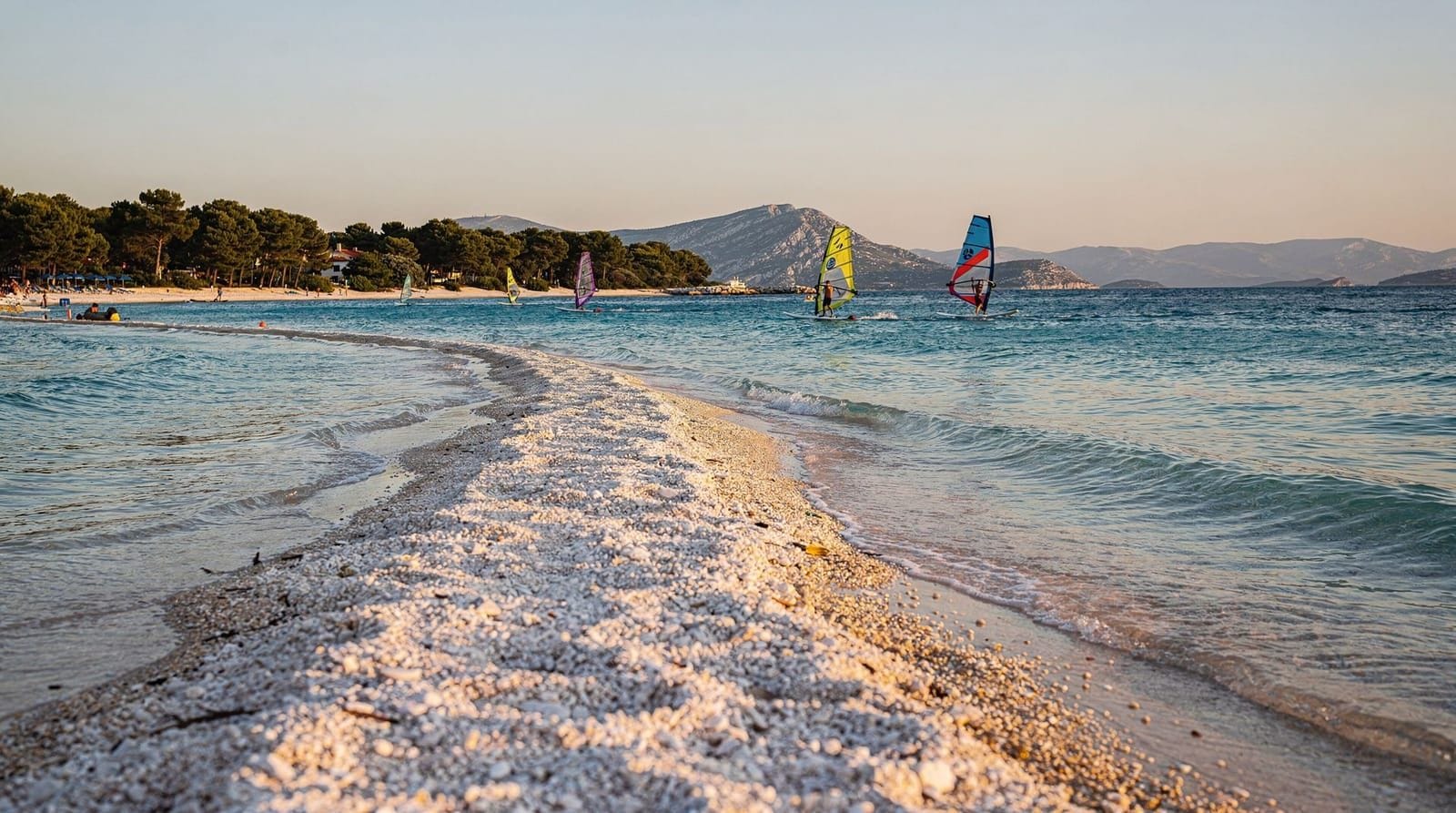
Bol is built around a single street of cafés, restaurants, and Airbnbs radiating outward from the beach. We arrived at noon, dropped our bags, and walked straight to Zlatni Rat (Golden Cape) — the wedge-shaped shingle peninsula that juts into the Adriatic and shifts position slightly with the currents.
Here’s the honest truth about Zlatni Rat: it’s beautiful and it’s completely different from what photographs suggest. Photos make it look like a postcard of tropical paradise. In person, it’s a pebble beach with excellent swimming water and a satisfying geometry, surrounded by pine trees, with water so clear you can see the bottom at four metres depth. It’s not sand — important if you’re expecting to build a sandcastle or lie without a mat. The beauty is real; the expectation management is necessary.
In peak season, Zlatni Rat is genuinely crowded — people come specifically for this beach from across Dalmatia. In early September, we arrived at noon and found comfortable space without a fight. We swam for two hours and then walked the ridge trail above Bol that offers views both south to the open Adriatic and north back to the Croatian mainland. The trail is marked and easy; allow 90 minutes.
For full details on Brač, see our Brač and Zlatni Rat guide.
If you’d rather compare the beach before committing a night to Bol, our Zlatni Rat and Brač beaches guide and the Brač destination page show what else the island offers beyond the famous cape.
Day three: Brač to Vis
This leg requires patience with ferry logistics. There’s no direct ferry connection between Brač and Vis. We had two options: either return to Split via ferry (Supetar to Split, 50 minutes, then Split to Vis) or take the catamaran from Bol back to Split and connect.
We chose the second option, which meant a stop of about two hours in Split between connections. We used the time to eat lunch at a pasta restaurant in the Varoš neighbourhood (highly recommended — Varoš is the residential quarter just west of the old town walls, full of proper local restaurants), pick up snacks for the Vis crossing, and watch the ferries come and go.
The Split-to-Vis ferry is the most substantial of the routes we took: approximately two hours by fast catamaran, or three hours by the slower Jadrolinija car ferry. We took the fast catamaran (€18 each way, book in advance in season). The crossing goes past the eastern coast of Brač and then opens into deeper water. On a September afternoon it was calm and beautiful.
Vis town (there are two settlements — Vis town on the northeast and Komiža on the southwest) is genuinely different from Hvar and Brač. It’s quieter, the buildings are older and less renovated, and the restaurants serve better fish for less money. We had the best grilled sea bream of the entire trip at a small restaurant recommended by our accommodation host — unnamed here because it changes hands and specials vary, but find the one with the blue fishing nets on the terrace.
The Vis island guide covers Stiniva Bay, the wine caves, and the old military installations if you want the full picture. The Vis destination page gives a shorter overview, and if you’re still deciding how the three islands compare, Hvar vs Brač vs Vis lays it out side by side.
Day four: Vis — Stiniva and the deep dive
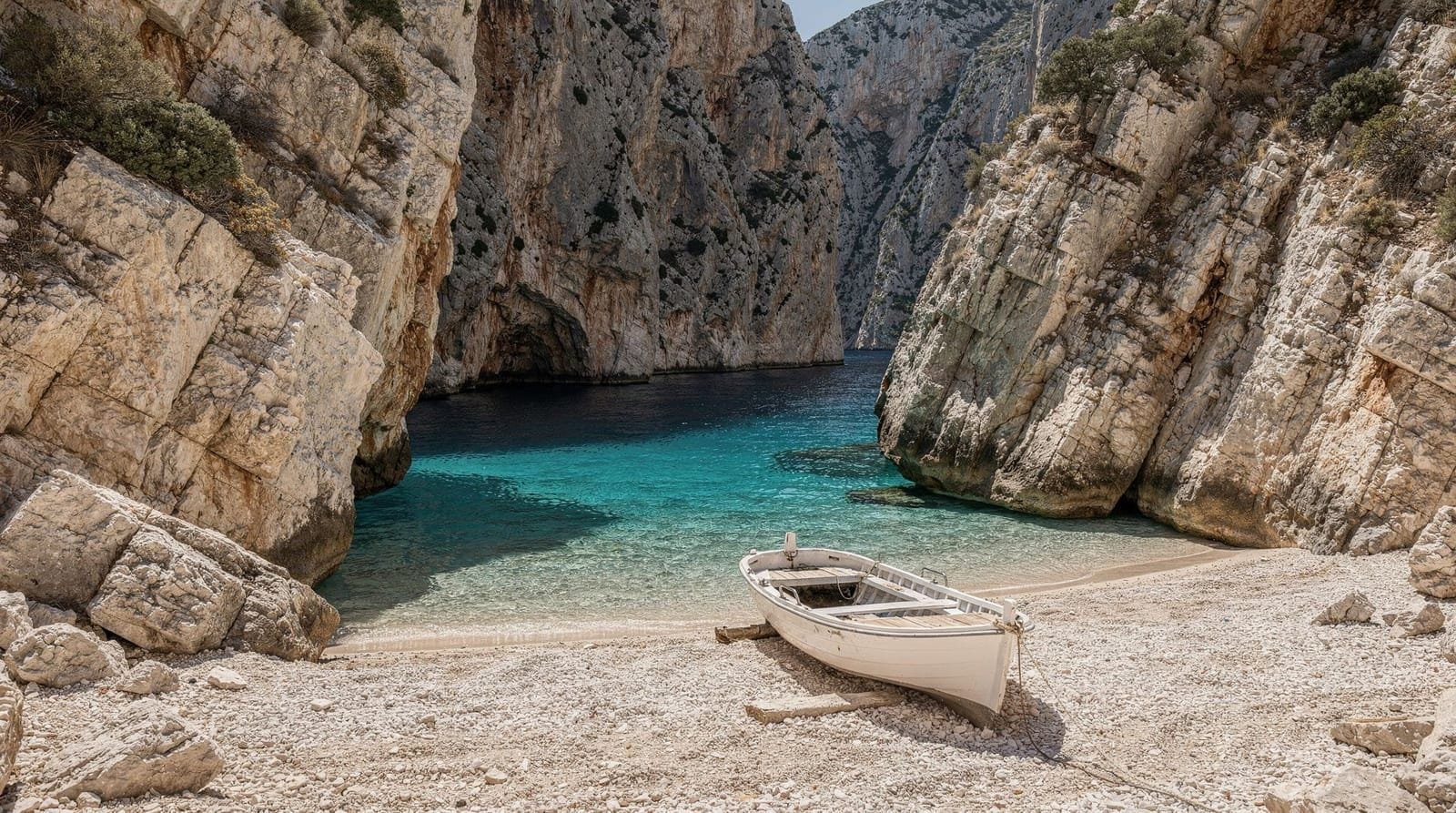
We’d booked a local boat excursion to Stiniva Bay — the famous hidden cove accessible only by sea — for €25 per person, arranged through our accommodation. The boat carried eight people and departed at 9 a.m. Stiniva, as described in our Blue Cave post, is a limestone amphitheater beach surrounded by two-hundred-metre cliffs. On a September morning with no large tour groups, we had it nearly to ourselves for about forty-five minutes.
The same boat took us to two other small coves on Vis’s southern coast — neither named on standard maps, both remarkable — and returned us to Vis town by 1 p.m. This felt like the day we’d been working toward.
In the afternoon we rented bicycles (€10/day from the Vis town harbour) and rode the eight kilometres to Komiža, the fishing village on the western side of the island. The ride takes you over a low hill through vineyards and past an abandoned military airstrip — leftover from the Yugoslav era, still largely intact and slightly eerie. Komiža is smaller and simpler than Vis town, centred on a Venetian tower and a harbour with coloured fishing boats.
We ate dinner in Komiža (grilled squid, local wine, €32 for two) and took the last bus back to Vis town. The bus costs €2, runs four times daily, and is worth knowing about.
Day five: Vis back to Split
Last ferry home. We took the 9:15 a.m. catamaran — two hours, arrived Split 11:15. We had time for a slow coffee on the Riva before our afternoon departures.
Looking back at five days: the islands are worth the effort of the multi-ferry logistics. Each one is genuinely different. Hvar is sophisticated and beautiful but crowded; Brač has the best single beach but limited depth for multiple days; Vis is the one that gets into your head.
For context on choosing between them, see our which Dalmatian island for you guide.
The five days at a glance
| Day | Route | Highlight | Cost (ferry/activity) |
|---|---|---|---|
| 1 | Split → Hvar | Fortica fortress views | €9 ferry + €10 entry |
| 2 | Hvar → Bol, Brač | Zlatni Rat swimming | €9 ferry |
| 3 | Bol → Split → Vis | Best fish of the trip | €18 ferry |
| 4 | Vis (Stiniva + Komiža) | Stiniva nearly to ourselves | €25 boat + €10 bike |
| 5 | Vis → Split | Slow coffee on the Riva | €18 ferry |
Would we book a guided tour instead, next time?
For the Hvar–Brač leg specifically, we’d consider a single guided day cruise instead of the DIY catamaran-and-walk version, mostly to save the logistics of connecting ferries on a tight schedule. A combined Hvar–Pakleni cruise covers similar ground with lunch included and no ferry timetable to track.
Hvar, Brač and Pakleni Islands cruise with lunchIf what appeals is seeing as many islands as possible in a single day rather than sleeping on them, a speedboat day that strings together the Blue Cave, Vis and Hvar is the other way to do it, and a full-day speedboat trip to the Blue Cave, Vis and Hvar is the version we’d look at first. It won’t replace a night on Vis, but it is a fair taster. Our five-island tour guide and the Blue Cave tours explained guide compare the options in more detail, and the island-hopping guide from Split covers the DIY route in general.
For Vis and Stiniva, though, we’d still book the small local boat the way we did — a bigger organised tour brings more people to the same small cove at the same time, which works against exactly what made our morning there feel special.
What we’d change
More time on Vis. Two nights wasn’t enough. We’d also skip the second full day in Hvar and replace it with an early catamaran to Brač, giving us an extra night on Vis.
Also: carry snacks. The ferry connections between islands involve occasional waits, and the vending machines at smaller ferry piers are not a meal.
For the full route with exact ferry times, see our five-day island-hopping itinerary with transport details.